
slamabad — Prime Minister Muhammad Shehbaz Sharif on Wednesday ordered comprehensive reforms across Pakistan’s ports to drastically reduce cargo dwell time, remove procedural bottlenecks, and improve trade efficiency, warning that persistent delays are damaging businesses and undermining economic growth.
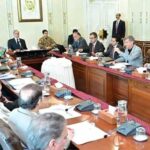
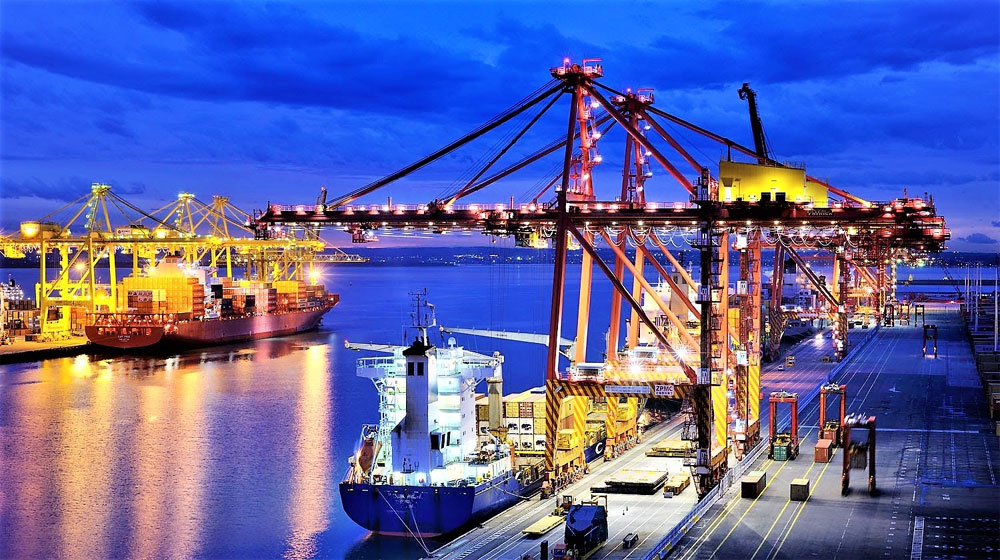
The directives were issued while chairing a high-level meeting of the private sector working group on port development, where the prime minister emphasised that ports serve as the backbone of Pakistan’s trade and industrial ecosystem and must operate at international efficiency standards to support exports and attract investment.
Cutting Delays and Reducing Costs
PM Shehbaz instructed port authorities, customs officials, and relevant ministries to immediately reduce cargo clearance times and eliminate unnecessary and repetitive laboratory testing, which he said has become a major source of delay and increased costs for importers and exporters.
He also ordered further reductions in port charges, stressing that high logistics costs weaken Pakistan’s competitiveness in global markets. “If we want to increase exports, our ports must be fast, affordable, and business-friendly,” the prime minister said.
One who does not do any work except to get some benefit from it. Do not be angry with pain in scolding. In happiness he wants to become hairy with pain in the hope that reproduction will not occur. Unless they are blinded by lust, they do not move forward; The culprits are those who abandon their duties and soften their hearts, that is, their hard work.
Infrastructure Upgrades and Rail Connectivity
To improve inland cargo movement, the prime minister directed authorities to upgrade rail connectivity from ports, enabling faster and cheaper transportation of goods to industrial hubs across the country. He noted that improved rail links would significantly reduce pressure on road networks and lower freight costs.
He further instructed that dredging and expansion projects at all major ports — particularly in Karachi — be accelerated to accommodate larger cargo vessels, which would help reduce shipping costs and improve turnaround times. Officials informed the meeting that tenders for these projects have already been issued.
On-Site Testing and Streamlined Clearance
To avoid prolonged cargo holds, PM Shehbaz ordered the establishment of initial testing laboratories within port premises, allowing faster clearance decisions. At the same time, he directed authorities to abolish redundant and overlapping laboratory tests, calling them a major obstacle to efficient trade operations.
Transparent System for Abandoned Cargo
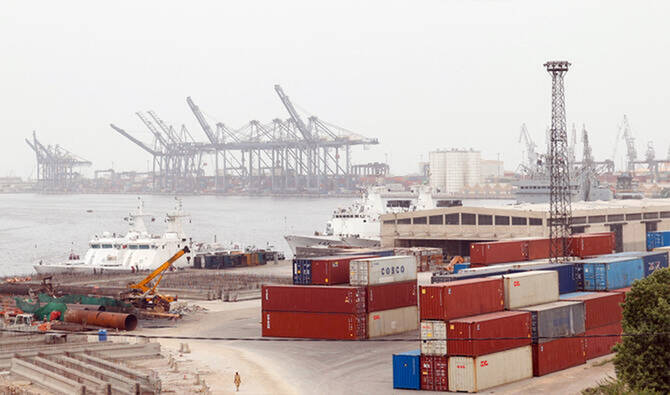
Addressing the long-standing issue of abandoned and long-staying cargo, the prime minister ordered the introduction of a fully transparent auction mechanism. He directed the creation of dedicated yards for abandoned cargo and recommended engaging internationally reputed firms to manage auctions in a professional and corruption-free manner.
He also announced that a new e-bidding system will soon be launched, allowing bidders from across Pakistan to participate remotely, increasing competition and transparency while reducing opportunities for manipulation.
Private Sector Input and Ongoing Reforms
During the meeting, working group chairman Ziad Bashir presented detailed recommendations for port reforms and welcomed recent government initiatives. He said that the transparent privatisation process of Pakistan International Airlines (PIA) has helped restore confidence among local and foreign investors.
Officials briefed the meeting that work on the National Ports Master Plan is progressing rapidly and that the Port Community System — aimed at digitising and integrating port operations — is now fully operational.
As part of immediate relief measures for traders, authorities informed the prime minister that bulk cargo handling charges at Port Qasim have been reduced by more than 50 percent, significantly lowering costs for importers and exporters.
High-Level Participation
The meeting was attended by Federal Ministers Ahsan Iqbal, Ahad Khan Cheema, Musadik Malik, along with senior officials from relevant ministries, port authorities, and trade bodies.
The prime minister concluded by stressing that efficient ports are essential for economic recovery, export growth, and regional competitiveness, directing all stakeholders to ensure swift and visible implementation of the reforms.