Fragile Truce Faces Collapse Amid Escalating US–Iran Dispute
United States — President Donald Trump has warned that the fragile ceasefire between the United States and Iran is on “massive life support,” after rejecting Tehran’s latest counterproposal and describing it as “garbage.”
The statement signals a sharp escalation in tensions as the conflict between Iran and the United States enters its tenth week, raising fears of renewed fighting and further disruption to global energy markets.
Ceasefire Under Pressure
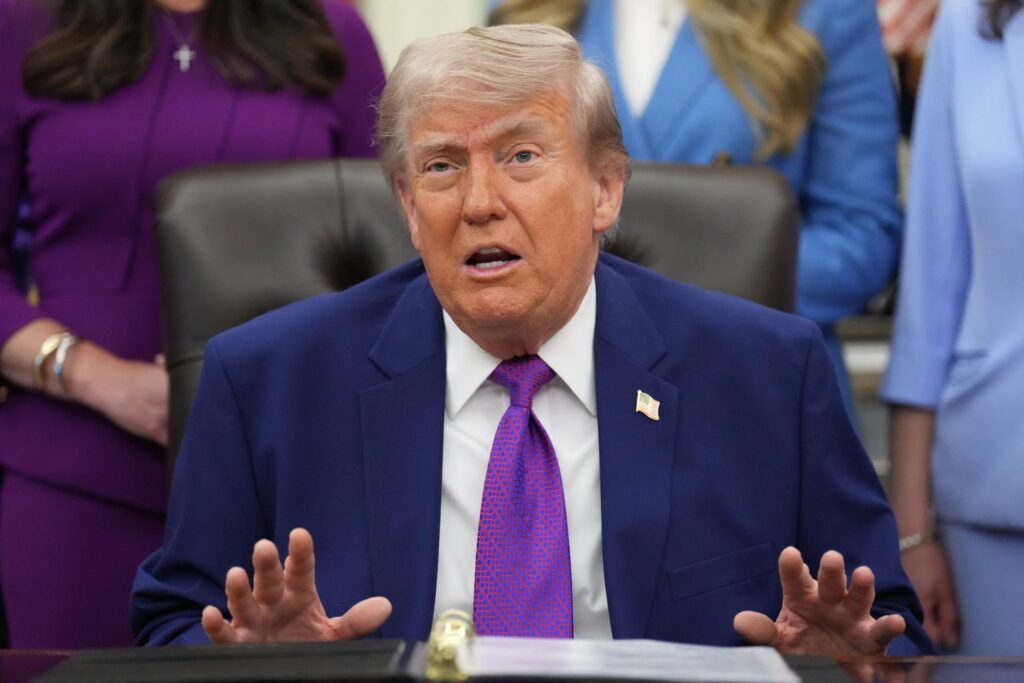
Speaking from the Oval Office, Trump said Iran repeatedly changed its position during negotiations and failed to stick to earlier understandings.
He reiterated that any agreement must include a strict condition: Iran must not pursue nuclear weapons.
“The ceasefire is on massive life support,” Trump said, calling the current situation “the weakest right now.”
Iran Rejects US Terms
Iranian officials defended their counterproposal, calling their demands “legitimate” and “reasonable.”
Tehran is reportedly seeking:
- End to US naval blockade
- Release of frozen Iranian assets
- Sanctions relief and unrestricted oil exports
- Guarantees against future attacks
- Recognition of sovereignty over the Strait of Hormuz
- Compensation for war damage
Foreign Ministry spokesman Esmaeil Baghaei said Iran’s position reflects its “legitimate rights” and not concessions.
Meanwhile, Iranian parliamentary speaker Bagher Ghalibaf warned that Tehran’s armed forces are ready to respond to any aggression.
Oil Markets React to Rising Risk
The escalating rhetoric immediately impacted global energy markets, as fears grew over renewed disruption in the Strait of Hormuz — one of the world’s most critical shipping routes.
Brent crude rose nearly 3% to around $104 per barrel as traders reacted to uncertainty over oil flows.
The Strait of Hormuz normally handles roughly one-fifth of global oil and LNG shipments, but shipping has already slowed significantly due to the ongoing conflict.
Global Economic Concerns Grow
Energy experts warn that prolonged disruption could trigger a long-term global supply shock.
Saudi Aramco CEO Amin Nasser said even if the strait reopens immediately, markets may take months to stabilize — and full recovery could stretch into 2027 if tensions continue.
The crisis has also raised concerns over global food security due to disrupted fertilizer exports from Gulf ports.
Diplomatic Efforts Continue
Despite the rising tensions, diplomatic channels remain open. President Trump is expected to travel to Beijing for talks with Chinese President Xi Jinping, where the Iran conflict is expected to be a key topic.
China is seen as a potential influencer in persuading Tehran toward a settlement, though Iranian officials have warned against external pressure.
Meanwhile, Israeli Prime Minister Benjamin Netanyahu has stated that the conflict is not over and has called for continued pressure on Iran’s nuclear program.
Outlook
With negotiations stalled and military tensions rising, the future of the ceasefire remains uncertain. Analysts warn that any breakdown could quickly escalate into a wider regional conflict with serious consequences for global energy stability, trade routes, and inflation worldwide.